[first published on September 2018, >>https://www.linkedin.com/pulse/bim-unveiled-clients-guide-carlo-bughi/ ]

The advantages of BIM are not so clear to many professionals in the field so, no wonder if clients (private and developers) can’t understand how BIM is beneficial for their investment in the building industry.
It is probably a legacy from the time I was teaching at the university but, I believe anyone who doesn’t know/understand something needs just an explanation.
As Main Contractor (Avalon Construction & Design) offering both architectural and construction services, we deal every day with clients who have not a clue about the design and building process. If clients have previous experience (developers) they are quite inclined to accept the inevitability of the issues will certainly occur along the way.
As designer I am used to the common perception that architecture is all about few drawings and nice sketches, where the emphasis is on “creativity” rather than technical skill. This is quite frustrating but, I should admit that the responsibility for such diminished opinion about architects’ job lies mostly on architects.
Some architects act like druids, sharing nothing about their job behind the scene. As secret keepers, they maintain an air of mystery around the supreme act of creating. This is certainly fascinating but unfortunately not effective in terms of transparency and client’s understanding what’s going on.
Things are even more complicated when time comes for construction and clients don’t understand the impact of any little change on the schedule of works (actually, many architects underestimate that impact as well).
The only knowledge clients have about the adventure of building, renovating, refurbishing a house is a certainty they learned from somebody they know who went through the same path: it will be messy, more expensive than expected and it will take longer than planned.
Initially, they will be reassured both by the architect and the contractor that everything will be fine and timely managed: of course, the building industry is messy, but they say, “we are good, and we will get along wonderfully together”. Anything happening later (confirming the messiness) is the outcome of misunderstandings and unforeseen events and the client will be totally confused and frustrated by the feeling of moving within an unknown territory.
Proposing a Client’s Guide is a way to make some clarity, explaining something about procurement routes, giving indication about the financial evaluation (how to calculate the budget), detailing anything about the design process (stages, deliverables, level of information and detail required at any stage) and even explaining how the fees for design services are calculated.
No secrets, just a way to make the “unknown” a little bit more understandable.
Telling about the messiness of the building industry has been the necessary preamble to introduce to the concept of the efficiency and the way to implement effective processes. It is here that BIM comes on stage: technology, tools, ways to collect, store and share information and managing communication.
Saying “we are good” is not enough anymore. We must say WHY we are good, HOW we are good, in WHAT we are good.
Writing this Client’s Guide has been a great opportunity to set up properly our services. Construction & Design Integrated Services (CSi) described in the last chapter, put in practice that efficiency we described in the first chapter.
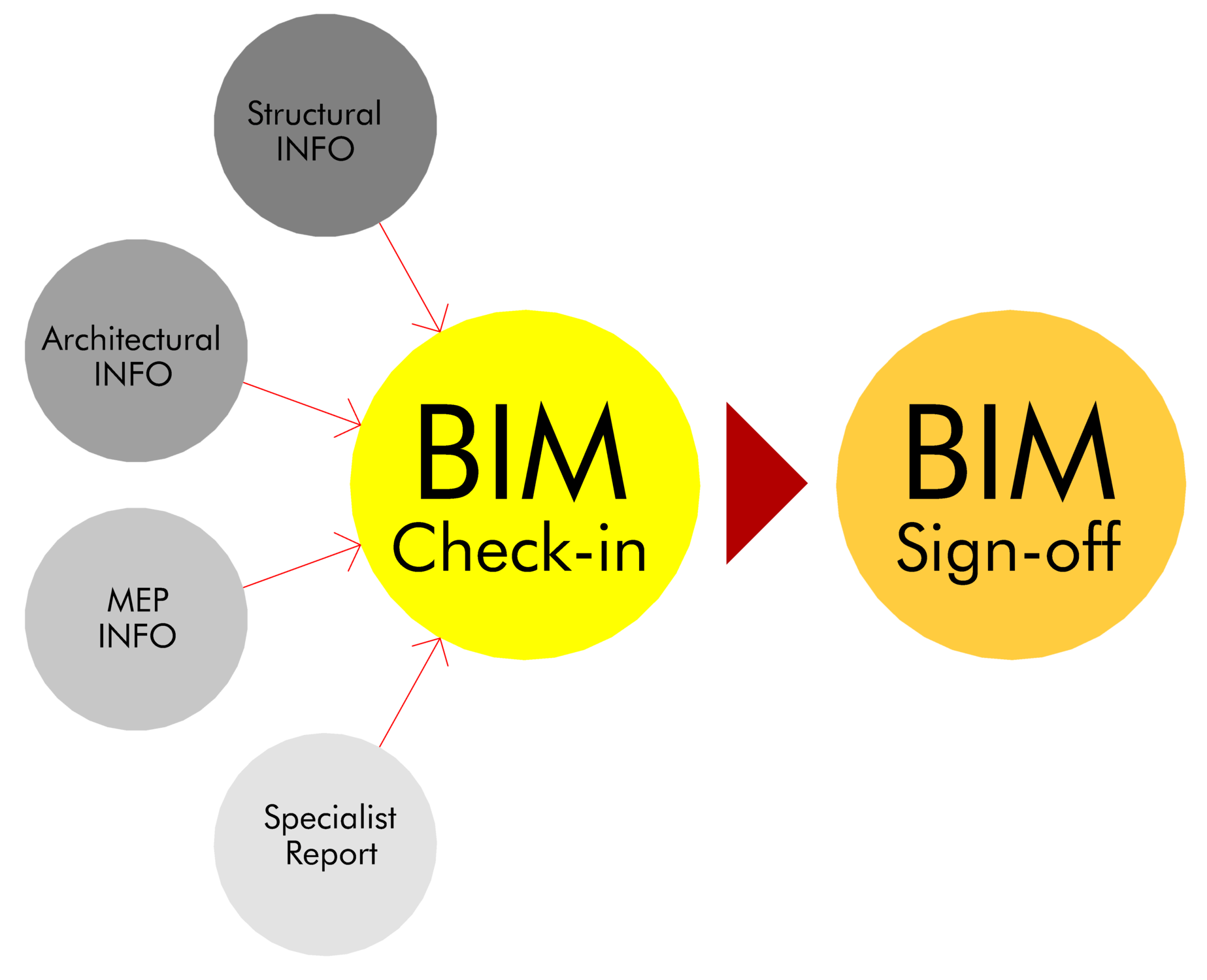
As contractor, we know that if we can build it on the screen (with BIM), we can build it for real. We have implemented this principle setting a specific process (BIM Check-in and BIM Sign-off) where any information provided by the designers (who most probably don’t use BIM) are subject to a “reality” check before being delivered on site as instruction to the crew there.
This is our WHY, HOW, WHAT.
We don’t assume clients have the Client’s Guide as bedtime reading (to many information to swallow) but at least we will share a common ground of information to refer to during the process.
Since professionals (such as Project Managers, Architects, Quantity Surveyors) who already read the book found some use of it, we decided to publish it: free download from our web site.
This is our transparency.


 Carlo Bughi | Architect